Family:
Sapindaceae
Dodonaea viscosa
Sticky Hop-bush
(syn. D. attenuata; D. angustissima)
Other Names: Hop-bush, Narrowleaf Hopbush, Wedge-leaf Hopbush

Name Origin:
Dodonaea — after Flemish botanist Rembert Dodoens (1517-85).
viscosa — sticky.
Regional Subspecies:
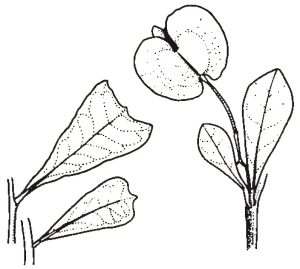
D. v. subsp. angustifolia (Broad-leaf Hopbush), D. v. subsp. angustissima (Narrow-leaf Hop-bush), D. v. subsp. cuneata (Wedge-leaf Hop-bush), D. v. subsp. mucronata, D. v. subsp. spatulata
Habit:
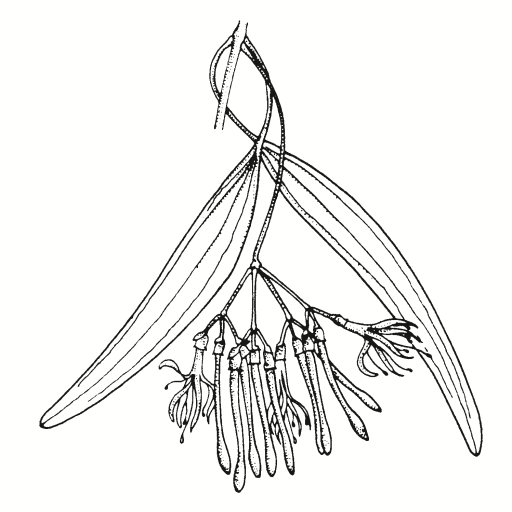
Erect or spreading shrubs up to 4 m high, with narrow or wedge-shaped green leaves and inconspicuous flowers (mainly spring). Fastgrowing with a lifespan of several decades.
Habitat & Site Preference:
Found in various habitats including open forests, woodlands, scrubs, rocky outcrops, drier slopes, and sandy sites. Prefer well-drained soils in partial or full sun. Tolerate frost and drought. Prefers 250 – 500 mm rainfall in the Riverina.
Seed Collection & Propagation:
Collect seeds from mid Oct-early Feb. Monitor closely as they are released quickly. The papery capsules turn tan-brown when ripe, and the seeds are black and firm. Easily collected in large quantities and retain viability for several years. Propagate from seed (approximately 212 viable seeds per gram) or cuttings. Hot water treatment can hasten germination, which takes 2-4 weeks. Regenerates readily from seed, stem, and coppice, particularly after fire. Establishes well when direct seeded.
Values & Uses:
Valuable low-level windbreak cover and for understory plantings, stabilising sand with shallow roots. Provides habitat and pollen for insects; birtds eat foliage and seeds. Leaves traditionally used by First Nations People for pain relief. Ornamental, as hedges, screens, rock gardens, and understory, with colourful fruits. Drought fodder in areas.