Family:
Casuarinaceae
Allocasuarina verticillata
Drooping Sheoak
(syn. Casuarina stricta)
Other Names: n/a

Name Origin:
Allocasuarina — from Greek allo, other, and casuarina, referring to differences between Casuarina and Allocasuarina species.
verticillata — from Latin verto, I turn, in reference to leaves arranged in whorls, or seemingly so. Sheoak — named because wood is tough, durable and attractively grained, like European Oak.
Regional Subspecies:
n/a
Similar Species:
Distinguished from Bulloak (A. luehmannii) mainly by its larger cones, drooping habit and different habitat.
Habit:
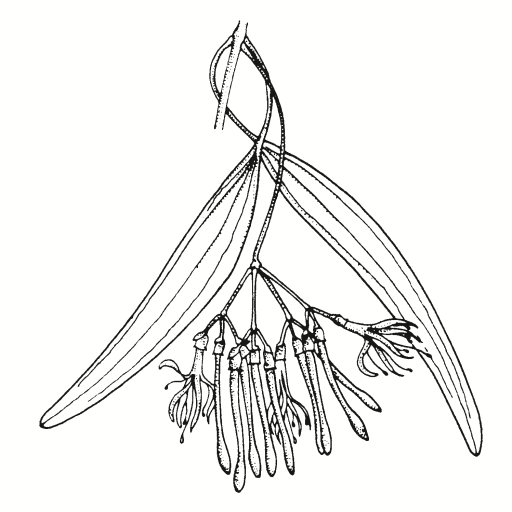
Small tree, 4-10 m high, rounded crown. Yellow-brown male flower spikes, red female flowers, Mar-Dec. Long-lived (50-100 years), moderately slow-growing.
Habitat & Site Preference:
Grassy woodland, forming pure stands or among eucalypts. Dry ridges on poor soils. Prefers well-drained soil, tolerates frost, drought, wind, and some wetness. Prefers 400 – 500 mm rainfall in the Riverina.
Seed Collection & Propagation:
Collect throughout the year, seeds retained in cones. Dry cones to release seeds. Store in the refrigerator or sow fresh. Germinates in 2-5 weeks at high temperatures (up to 50°C) from untreated seed (120-270 viable/gram). Inoculate seedlings with Frankia spp. bacteria from parent tree root nodules for optimal growth. Regenerates from root suckers, seed, and coppicing. Protect seedlings from livestock and rabbits.
Values & Uses:
Medium-level windbreak cover, good shade. Erosion control, improves soil fertility (nitrogen-fixing), leaf litter stabilises soil. Seeds and habitat for birds, perching sites for birds of prey. Excellent fuelwood, glowing charcoal fire. Timber used for firewood, turning, various historical uses. First Nations used wood for boomerangs and digging sticks, consumed young shoots and cones. Ornamental for foliage and flowers, good for orchid cultivation. Useful fodder, withstands lopping.